
Lumina reference paper posted to arXiv
“Introducing the Lumina project” presents the simulation, its methodology, and its first results.
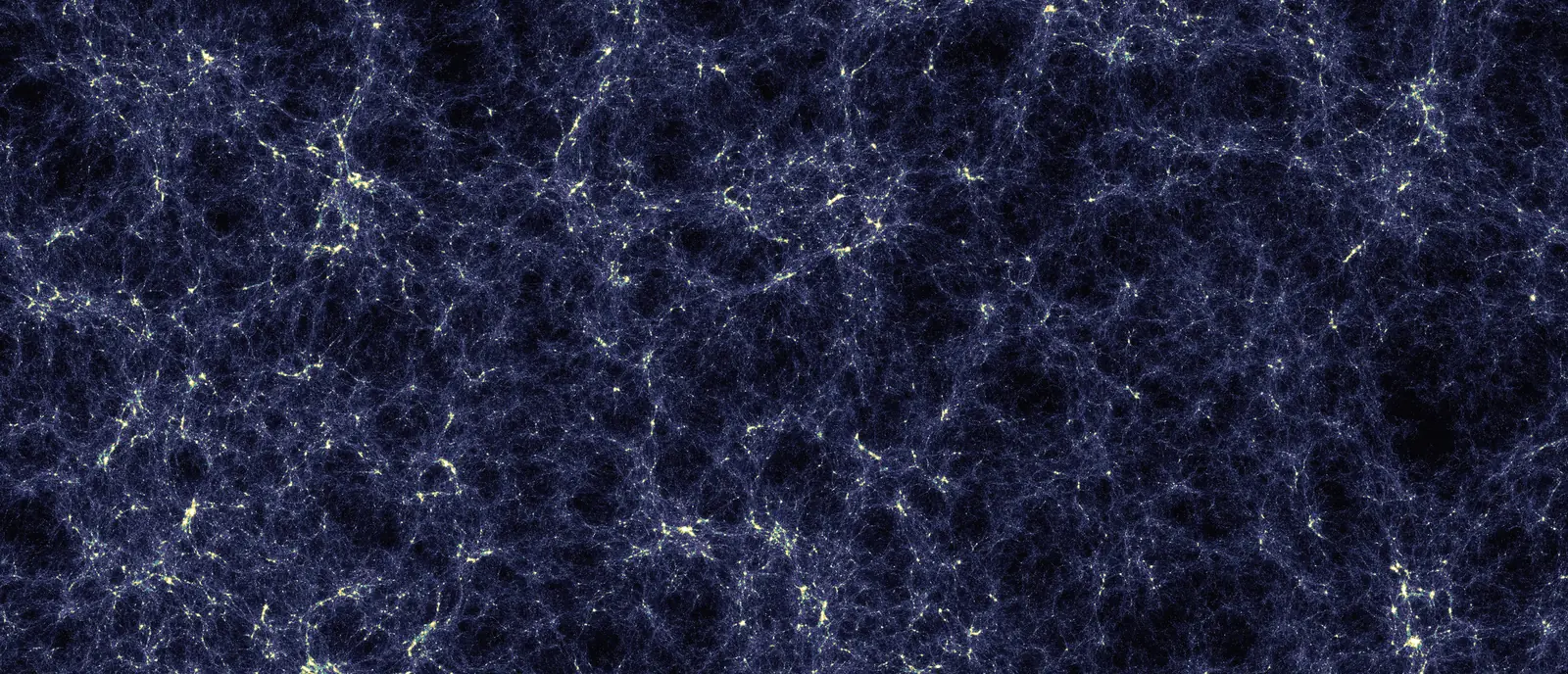
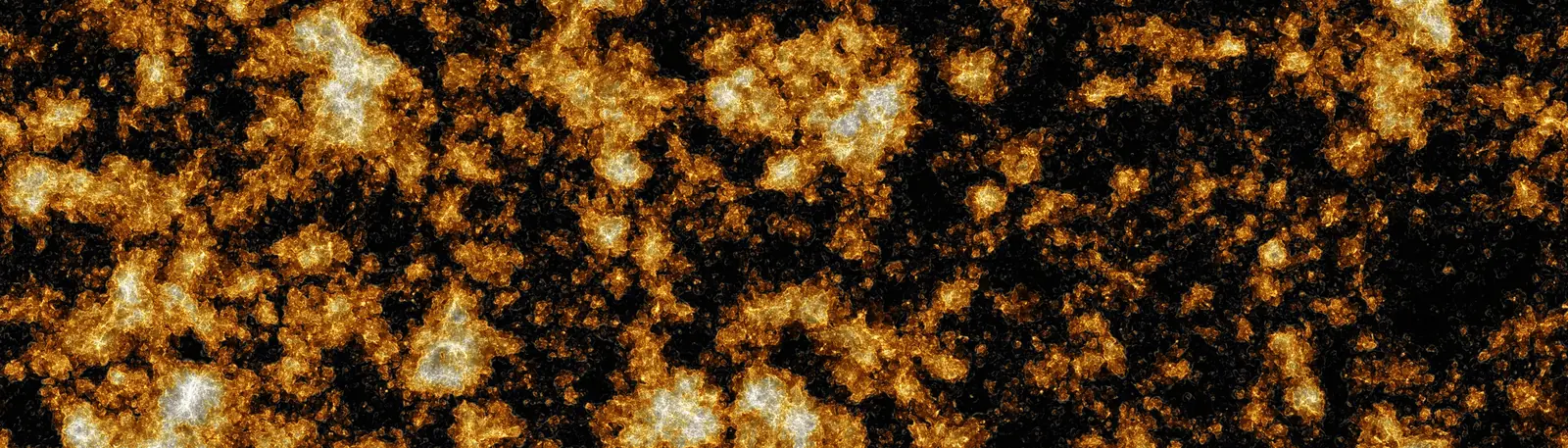
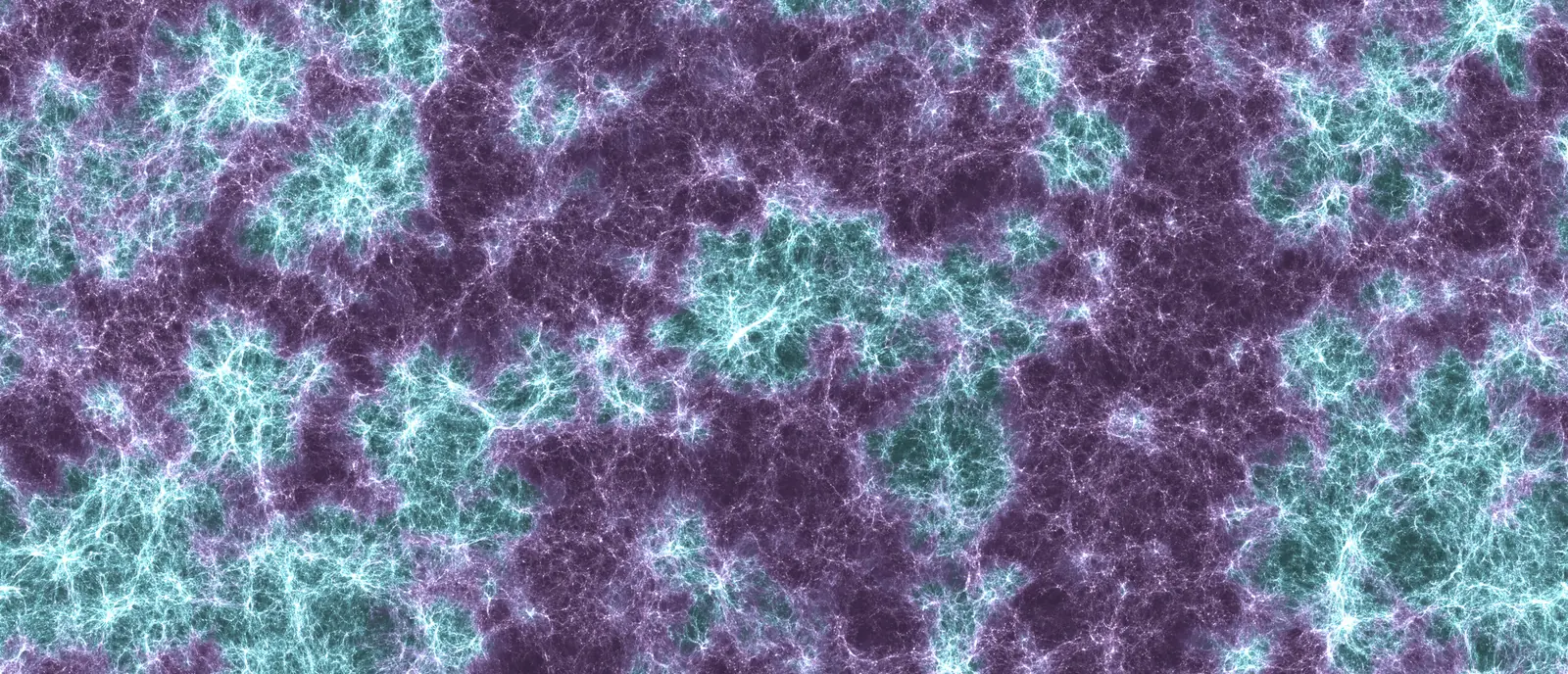
Lumina is a large-volume cosmological radiation-hydrodynamics simulation that follows the Universe from the Dark Ages to the end of He II reionization at z = 3. It couples the IllustrisTNG galaxy-formation model to on-the-fly radiative transfer, non-equilibrium chemistry, and ionizing sources including stars, AGN, X-ray binaries, and shock-heated gas. More details are available on the project page.
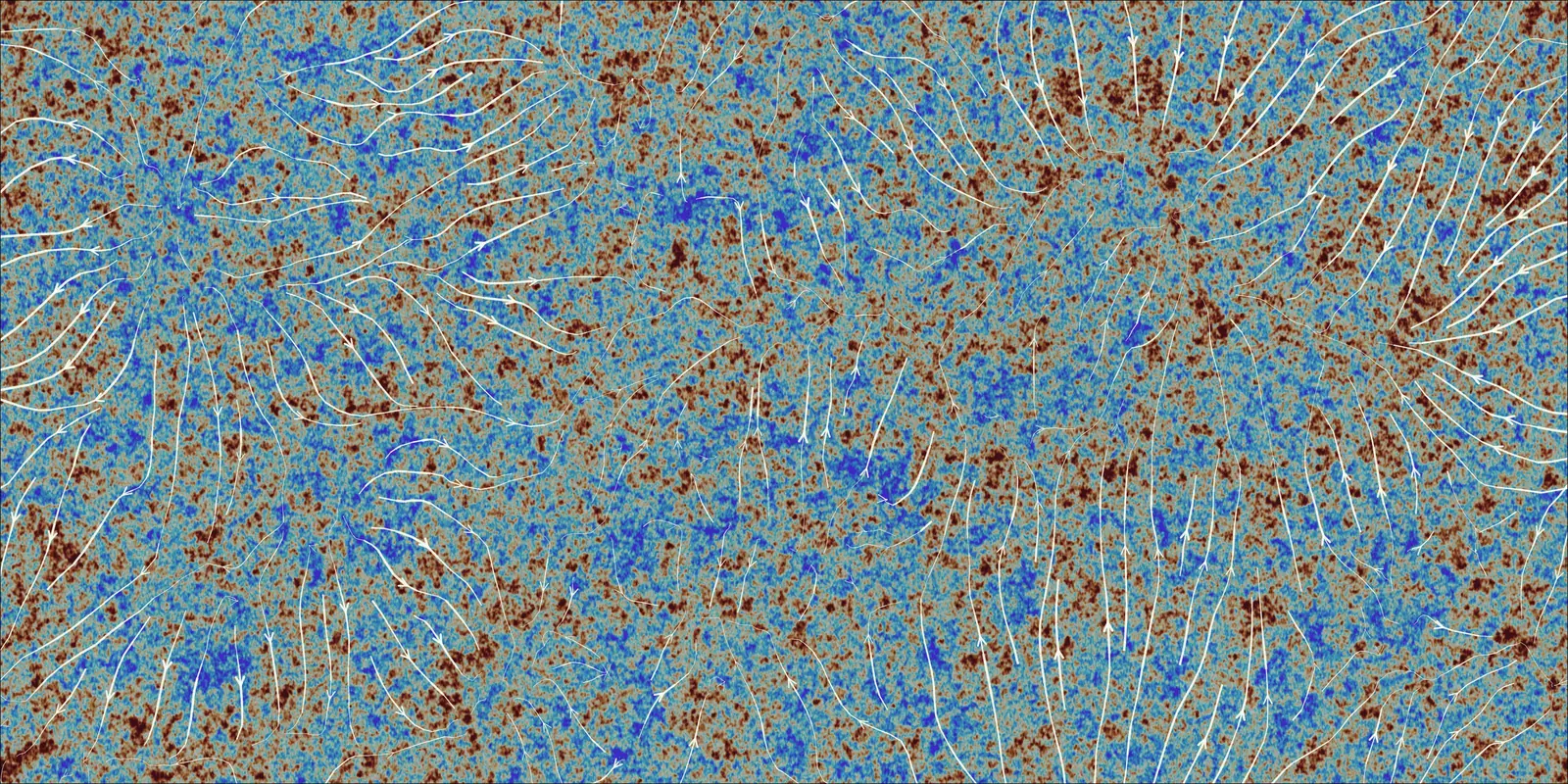
With an unprecedented 500 cMpc volume and nearly half a trillion resolution elements, Lumina defines a new class of simulation that captures both the galaxy populations driving hydrogen reionization and the rare quasars driving helium reionization. The simulation is designed to interpret observables such as the Lyman-α forest, 21-cm cosmology, line-intensity mapping, galaxy surveys, quasar absorption spectra, and other probes of the evolving large-scale ionized structure of the intergalactic medium, while using improved initial conditions with separate baryon and dark-matter transfer functions and their relative streaming velocity. Explore the publications or access available data products.
Four linked goals guide Lumina, connecting galaxies, reionization, and observable signatures in a single simulation.
Follow how galaxies form, grow, and respond to radiation feedback from cosmic dawn to z = 3.
Measure when hydrogen reionization occurs, how patchy it is, and which galaxies drive it.
Model AGN-driven He II reionization and its impact on the thermal state of the intergalactic medium.
Make predictions for high-redshift galaxies and probes of large-scale ionized structure of the intergalactic medium.
“Introducing the Lumina project” presents the simulation, its methodology, and its first results.
Lumina reached its final redshift, z = 3.
Lumina reached z = 4.75, marking the end of the hydrogen reionization phase.
Start with the project overview, then explore the publications and available data products.